Home Geography & Travel Countries of the World
France
WRITTEN BY
Eugen Weber See All Contributors
Emeritus Professor of History, University of California at Los Angeles. Author of The Hollow Years: France in the 1930’s and others.
Last Updated: Dec 9, 2020 See Article History
Alternative Titles: French Republic, République Française
France, officially French Republic, French France or République Française, country of northwestern Europe. Historically and culturally among the most important nations in the Western world, France has also played a highly significant role in international affairs, with former colonies in every corner of the globe. Bounded by the Atlantic Ocean and the Mediterranean Sea, the Alps and the Pyrenees, France has long provided a geographic, economic, and linguistic bridge joining northern and southern Europe. It is Europe’s most important agricultural producer and one of the world’s leading industrial powers.
5 Top-Rated Tourist Attractions in France
- Eiffel Tower
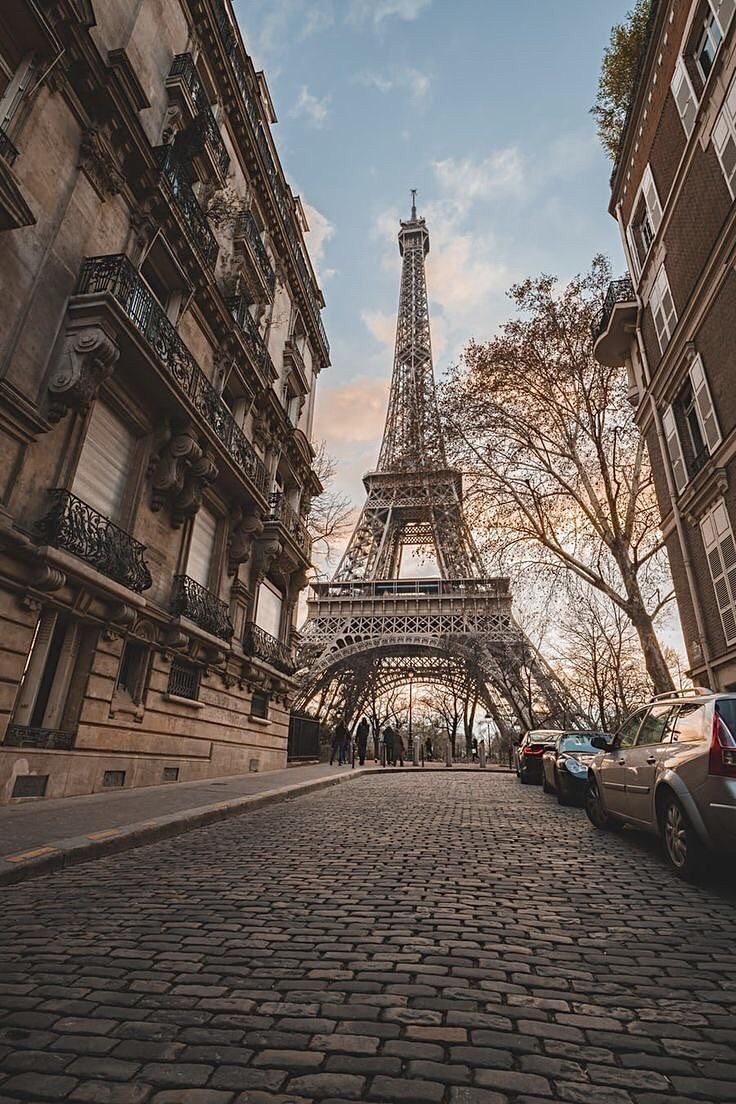
The symbol of Paris, the Eiffel Tower is a feat of ingenuity as much as it is a famous landmark. This structure of 8,000 metallic parts was designed by Gustave Eiffel as a temporary exhibit for the World Fair of 1889. Originally loathed by critics, the 320-meter-high tower is now a beloved and irreplaceable fixture of the Paris skyline.
The Eiffel Tower’s gracefulness has earned it the nickname of “Iron Lady.” Visitors are impressed by the tower’s delicate airiness despite its monumental size and the breathtaking panoramas at each of the three levels.
- Louvre Museum
In a stately palace that was once a royal residence, the Louvre ranks among the top European collections of fine arts. Many of Western Civilization’s most famous works are found here, including the Mona Lisa by Leonardo DaVinci, the Wedding Feast at Cana by Veronese, and the 1st-century-BC Venus de Milosculpture.
The collection owes its wealth to the contributions of various kings who lived in the Louvre. Other pieces were added as a result of France’s treaties with the Vatican and the Republic of Venice, and from the spoils of Napoléon I.
- Palace of Versailles
More than just a royal residence, Versailles was designed to show off the glory of the French monarchy. “Sun King” Louis XIV transformed his father’s small hunting lodge into an opulent palace with a sumptuous Baroque interior. The palace became Louis XIV’s symbol of absolute power and set the standard for princely courts in Europe.
Architect Jules Hardouin-Mansartcreated the elegant Baroque facade and lavish interior of the Château de Versailles, which is designated as a UNESCO World Heritage Site.
The most emblematic space in the castle is the Hall of Mirrors, where courtiers waited for an audience with His Majesty. This dazzling hall sparkles with sunlight that enters through the windows and is reflected off massive ornamental mirrors.
- Côte d’Azur
The most fashionable stretch of coastline in France, the Côte d’Azur extends from Saint-Tropez to Menton near the border with Italy. Côte d’Azur translates to “Coast of Blue,” a fitting name to describe the Mediterranean’s mesmerizing cerulean waters. To English speakers, this glamorous seaside destination is known as the French Riviera, words that have a ring of sun-drenched decadence.
During summer, the seaside resorts are packed with beach lovers and sun-worshippers. The rich and famous are also found here in their lavish villas and luxury yachts. The town of Nice has panoramic sea views and stellar art museums. Cannes is famous for its celebrity film festival and legendary hotels.
- Mont Saint-Michel
Rising dramatically from a rocky islet off the Normandy coast, the UNESCO-listedMont Saint-Michel is one of France’s most striking landmarks. This “Pyramid of the Seas” is a mystical sight, perched 80 meters above the bay and surrounded by imposing defensive walls and bastions.
The main tourist attraction, the Abbaye de Saint-Michel is a marvel of medieval architecture with soaring Gothic spires. Visitors are awed by the serene beauty of the Abbey Church, with its harmonious Romanesque nave and ornate high-vaulted choir.
Since it was built in the 11th century, the Abbey Church has been an important Christian pilgrimage destination, known as “The Heavenly Jerusalem.” Modern-day pilgrims are still inspired by Mont Saint-Michel and continue the tradition of crossing the bay by foot as it was done in the Middle Ages.
 Countries that most people want to go to.