Home Geography & Travel Countries of the World
Japan
WRITTEN BY
Takeshi Toyoda See All Contributors
Historian. Professor, Tohoku University, Sendai, Japan, and Hōsei University, Tokyo. Author of A History of Pre-Meiji Commerce in Japan and others.
Last Updated: Dec 10, 2020 See Article History
Alternative Titles: Nihon, Nippon
Japan, island country lying off the east coast of Asia. It consists of a great string of islands in a northeast-southwest arc that stretches for approximately 1,500 miles (2,400 km) through the western North Pacific Ocean. Nearly the entire land area is taken up by the country’s four main islands; from north to south these are Hokkaido (Hokkaidō), Honshu (Honshū), Shikoku, and Kyushu (Kyūshū). Honshu is the largest of the four, followed in size by Hokkaido, Kyushu, and Shikoku. In addition, there are numerous smaller islands, the major groups of which are the Ryukyu (Nansei) Islands(including the island of Okinawa) to the south and west of Kyushu and the Izu, Bonin (Ogasawara), and Volcano (Kazan) islands to the south and east of central Honshu. The national capital, Tokyo(Tōkyō), in east-central Honshu, is one of the world’s most populous cities.
11 Top-Rated Tourist Attractions in Japan
Many first-time visitors to Japan are often surprised to learn that, as one of the world’s most advanced industrialized nations, this relatively small Asian country also boasts a rich and fascinating history that dates back thousands of years.
Indeed, long before many of Europe’s most spectacular cathedrals were built, Japan’s Shinto and Buddhist temples were already well-established and drawing pilgrims and patrons for their often elaborate designs and décor. At the same time, the country was already perfecting the skills and trades that would set it on the path to riches, from fine porcelains and ceramics to textiles such as silk.
Much of this rich tradition has, despite wars and natural devastation, been preserved (or rebuilt), and a visit to Japan is a memorable adventure. Boasting an endless list of top attractions, fun things to do, and points of interest to explore, a vacation in Japan is certainly a great investment of time and money.
Discover the best places to visit in the country with our list of the top tourist attractions in Japan.
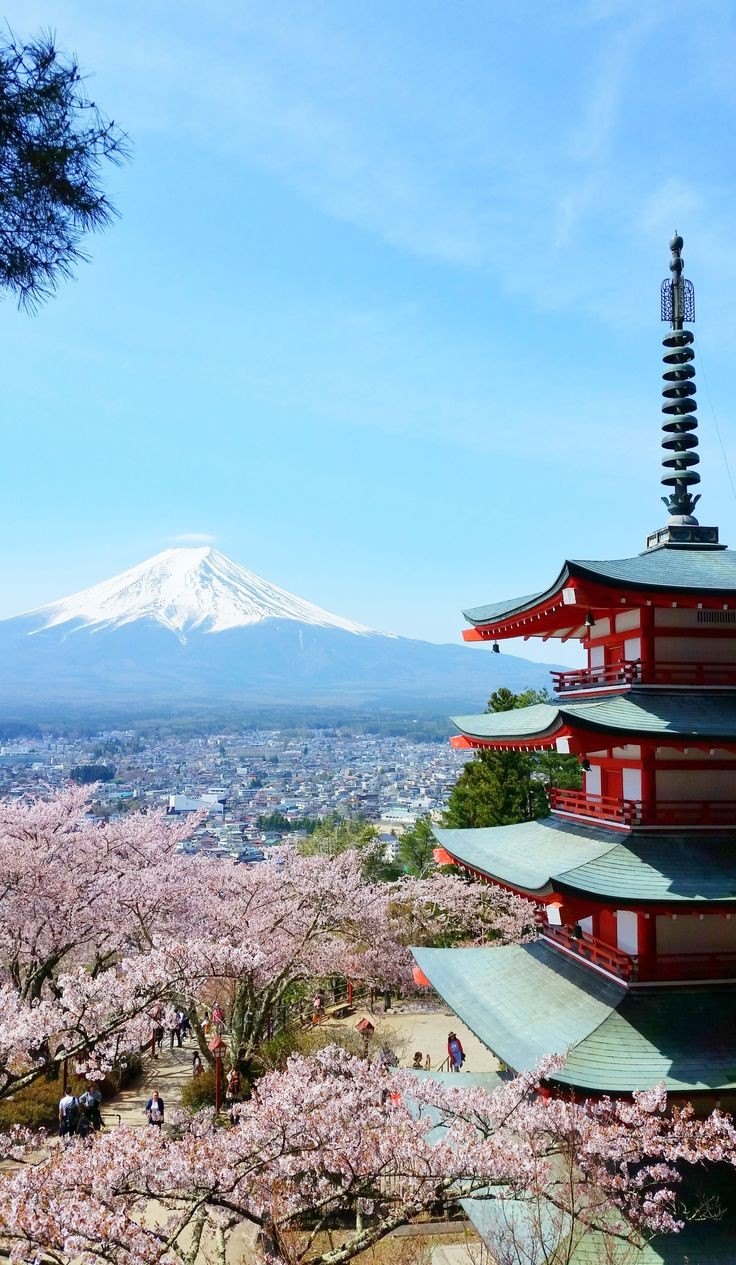
Without a doubt Japan’s most recognizable landmark, majestic Mount Fuji (Fuji-san) is also the country’s highest mountain peak. Towering 3,776 meters over an otherwise largely flat landscape to the south and east, this majestic and fabled mountain is tall enough to be seen from Tokyo, more than 100 kilometers away.
- Mount Fuji
Mount Fuji has for centuries been celebrated in art and literature and is now considered so important an icon that UNESCO recognized its world cultural significance in 2013. Part of the Fuji-Hakone-Izu National Park, Mount Fuji is climbed by more than a million people each summer as an act of pilgrimage, which culminates in watching the sunrise from its summit.
While some still choose to begin their climb from the base, the majority of climbers now start from above the halfway mark, at the 5th Station, resulting in a more manageable six-or-so-hour ascent. Those who do attempt the complete climb are advised to depart in the afternoon, breaking up the climb with an overnight stop at one of the “Mountain Huts” designed for this very purpose. An early start the next day gets you to the top for the sunrise.
- Imperial Tokyo
Tokyo’s most famous landmark, the Imperial Palace with its beautiful 17th-century parks surrounded by walls and moats, is a must-see when visiting the nation’s capital. Don’t be put off by the fact that the majority of the palace is closed to the public (it’s still in use by the Imperial family), as there is still enough to see simply by strolling the grounds.
In addition to the many fine views of the palace from numerous points in the surrounding parkland, visitors are permitted into the East Higashi-Gyoen Garden and other areas that are opened to the public as part of an organized tour. One of the most romantic views is of the famous Nijubashi Bridge, or “double bridge,” so named for its watery reflection.
Another one of the must-sees for tourists visiting Tokyo is the famous Ginzashopping district. This always bustling area is home to the Kabuki-za Theatrewith its Kabuki performances, as well as the Shimbashi Enbujo Theatre with its traditional Azuma-odori dances and Bunraku performances.
- Hiroshima Peace Memorial Park
While little needs to be said here of the horrors of the atomic bombing of Hiroshima in August 1945, much can be said of the incredible efforts this vibrant city has made to commemorate the many victims of the world’s first nuclear attack. Perhaps even more importantly, Hiroshima has become a symbol of lasting peace.
Visited by more than a million people each year, many from overseas, Hiroshima Peace Memorial Park (Hiroshima Heiwa Kinen Kōen) lies at the epicenter of the atomic blast in what was once a bustling part of the city. Here you’ll find a number of important monuments, memorials, and museums relating to the events of that fateful day.
- Historic Kyoto
One of Japan’s most visited cities, lovely Kyoto – one of the few cities in the country to be spared the devastation of WWII – attracts more than 10 million visitors annually. Most of them are here to explore Kyoto’s fine old streets and architecture, much of it unchanged since the Imperial family took up residence here more than 1,000 years ago.
Even then, the city was Japan’s most important cultural center. This legacy, in fact, continues to this day with its many museums and art galleries, each bursting with important sculptures, paintings, and other art forms.
Just a short ferry ride from mainland Hiroshima is the island of Miyajima, famous the world over as Japan’s Shrine Island. Covering an area of 30 square kilometers in Hiroshima Bay, Miyajima is best known as the home of the Itsukushima Shrine, a Shinto temple dedicated to the Princess daughters of the wind god Susanoo.
Dating from the eighth century, the majority of the shrine’s buildings rise out of the waters of a small bay supported only by piles. The effect at high tide is simply stunning, making these structures – including the famous Great Floating Gate (O-Torii) – appear as if they’re floating on water.
 Countries that most people want to go to.